Question Period - Wednesday, December 3, 2025
Wednesday, December 3, 2025
Question Period session with 5 exchanges between Hon. Pierre Poilievre (Leader of the Opposition, CPC) and Right Hon. Mark Carney (Prime Minister, Lib.). Average Question Rigor: 88. Average PM Spin: 59.
SESSION OVERVIEW

Pierre Poilievre
Leader of Opposition
(88%)
Question Rigor
SPINHIGH
SPIN
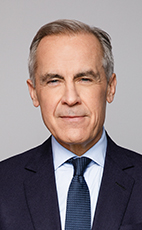
Mark Carney
Prime Minister
(59%)
Answer Directness
Pierre Poilievre
Leader of the Opposition
“Mr. Speaker, the Minister of Heritage is fed up, but so are Canadians. They are fed up with paying $16,800 a year for groceries. They are fed up with paying 51% more for groceries. They are fed up with paying 30% more for a rib-eye steak. They are fed up with paying 23% more for a whole chicken. How many people will be forced to go to the food bank before the Prime Minister gets fed up too?”
Clarity & specificity
85%
B — The question is clear and cites specific statistics about grocery prices.
Question Factors
- •Cites specific data on grocery prices
- •Directly asks about food bank usage
- •Engages with public sentiment
Mark Carney
Prime Minister
“Mr. Speaker, first, I am pleased to say that according to the consumer price index, Canada's inflation rate has gone down to 2.2%. Second, I am pleased to say that wages have been growing at a rate of 3.2%. We are making progress. The unemployment rate is down, the economy is growing and life is good.”
How directly answered
50%
Sharp question met with total deflection.
F — The answer does not address the question asked.
Answer Factors
- •Completely avoids the question about food banks
- •Focuses on general economic indicators
- •No engagement with specific evidence cited
Pierre Poilievre
Leader of the Opposition
“Mr. Speaker, there, he said it, he is happy with the cost of groceries. According to “Canada's Food Price Report”, when the Liberal government came to power, it cost an average family $8,300 a year for groceries. Now it costs $16,800. It has doubled because of taxes and inflationary deficits that are driving up the cost of everything. The Prime Minister promised to be judged on grocery prices. According to that report, which comes out tomorrow, how much will it cost to eat in 2026?”
Clarity & specificity
90%
A- — Clear question with specific data and a focused ask.
Question Factors
- •Specific evidence cited
- •Clear direct question
- •Relevant context provided
Mark Carney
Prime Minister
“Mr. Speaker, I understand why the Leader of the Opposition forgets to mention that this is a new Canadian government. We have the strongest economy in the G7. That is the truth. Those are the numbers, and that is the future of this great country.”
How directly answered
60%
Sharp question met with total deflection.
D- — Complete deflection, no engagement with the question.
Answer Factors
- •Ignored specific evidence
- •Generic talking points
- •No direct answer to the ask
Pierre Poilievre
Leader of the Opposition
“Mr. Speaker, according to “Canada's Food Price Report”, when the Liberals took office the cost of a basket of groceries was $8,300. Now it is $16,800, which is double. Liberal inflationary deficits, and taxes on farm equipment, fertilizer and food processors, have all exploded the cost of food. Tomorrow that same report will be released, projecting the cost for next year. Given the Prime Minister's promise to be judged by the prices at the grocery store, how much will Canadians have to spend on groceries to survive next year?”
Clarity & specificity
90%
A- — Clear question with specific evidence and a direct ask.
Question Factors
- •Cited specific data from a credible report
- •Directly asked about future grocery costs
- •Provided context for the question
Mark Carney
Prime Minister
“Mr. Speaker, let us get our numbers straight. The Canadian economy is the strongest-growing economy in the G7, at 2.6% annualized. Canadian wages have been growing faster than inflation for every month the current government has been in office, at 3.2% over 2.2%. Unemployment is down. Wages are up. The land is strong. We are moving forward.”
How directly answered
60%
Sharp question met with total deflection.
D- — Complete deflection, ignored the specific question.
Answer Factors
- •Did not address the grocery cost question
- •Focused on unrelated economic statistics
- •No engagement with the evidence cited
Want the worst 5 dodges every Friday? Join the newsletter or subscribe here:
Pierre Poilievre
Leader of the Opposition
“Mr. Speaker, as Canadians walk down the grocery aisle watching the prices rise before their eyes, they should know that the Prime Minister, who stashes his cash in a tax haven, says that they have never had it so good, the Canadian people, who have seen their grocery bills literally double under the Liberal government, from $8,300 to $16,800, in a decade. Tomorrow we will find out in the “Canada Food Price Report” how much groceries will cost an average family next year. Given that the Prime Minister has promised to be judged on the price of groceries, will he tell Canadian families how much they will have to pay to survive?”
Clarity & specificity
88%
B+ — The question is mostly clear and focused, citing specific grocery price increases and asking for a direct answer regarding future costs.
Question Factors
- •Specific evidence cited (grocery price increase)
- •Clear ask about future grocery costs
- •Contextual preamble enhances clarity
Mark Carney
Prime Minister
“Mr. Speaker, what the government is happy to tell Canadian families is that we cut the taxes for 22 million Canadians, we cut the taxes on first-time homebuyers and we are investing a budget, which the Leader of the Opposition and the members opposite voted against, that is going to cause $1 trillion of investment in this country over the next five years, grow jobs and grow futures for Canada. We believe in Canada. Come join us.”
How directly answered
62%
Sharp question met with total deflection.
D- — The answer does not address the question about grocery prices and instead focuses on unrelated tax cuts and investments.
Answer Factors
- •Complete deflection from the actual question
- •Generic talking points used
- •No engagement with the evidence presented
Pierre Poilievre
Leader of the Opposition
“Mr. Speaker, we voted against the Prime Minister's doubling Justin Trudeau's deficit, which will drive up groceries even more. What is he spending the money on? It is on corporate bailouts for companies that ship jobs out of Canada. The Prime Minister promised he would negotiate a win and have a deal by July 21. However, with still no win, still no deal and still no elbows, 1,000 workers at Algoma Steel are now losing their jobs. We now learn that the Prime Minister gave $400 million to the corporate executives of that company without any job guarantees. How is it that the Prime Minister could have been so incompetent as to saddle Canadians who cannot afford to pay their bills with a $400-million bailout bill, without any guarantee of jobs staying in Canada?”
Clarity & specificity
85%
B — The question is clear and specific, citing evidence and making a direct ask about the Prime Minister's actions.
Question Factors
- •Clear and specific evidence cited
- •Direct question about spending and job guarantees
- •Engages with a current issue affecting workers
Mark Carney
Prime Minister
“Mr. Speaker, these are difficult times in Sault Ste. Marie, and our hearts go to the families. However, as the CEO of Algoma Steel said, it would be “an even darker day” if this government had not acted. That loan, that support, saved two-thirds of those jobs. That loan, that support, gives Algoma a bridge to the future that we are building strong in this country and that the Conservatives voted against.”
How directly answered
65%
Strong question, weak answer from the PM.
D — The answer acknowledges the situation but avoids addressing the specifics of the question.
Answer Factors
- •Acknowledges the situation but lacks direct engagement
- •Does not address the $400 million bailout specifics
- •Focuses on general support rather than the question asked
Like grading politicians? Get the Top 5 every Friday.
The week's worst dodges, delivered free to your inbox.